The problem
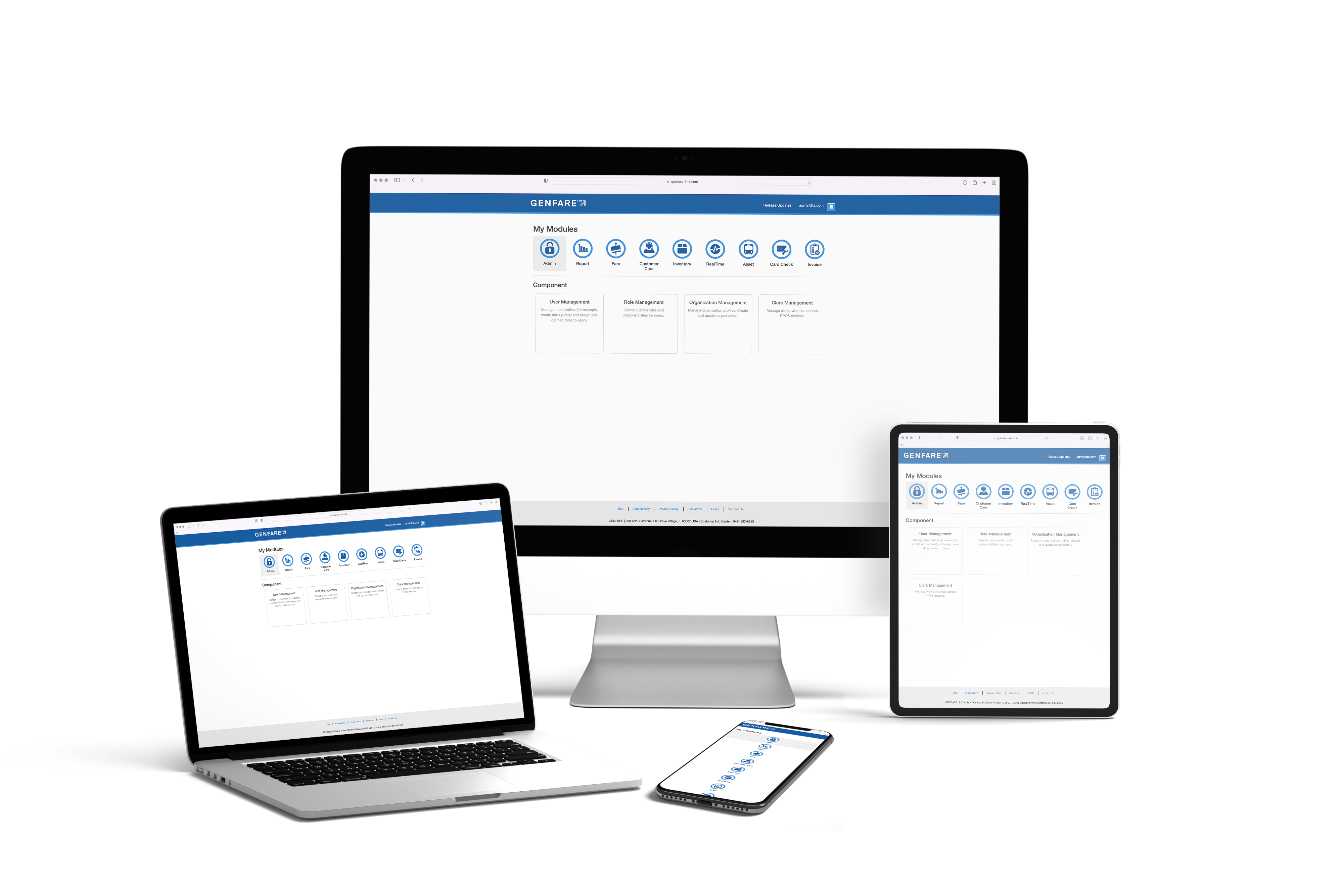
Information is as valuable as revenue to the health of public transit systems and the communities they serve. This data flows from multiple transit systems such as fare collection devices, CAD/AVL platforms, and passenger counters. However, siloed data can be complicated and time-consuming to gather, interpret, and report, creating problems for agencies. Opportunities for service optimization can be lost without the ability to conduct ongoing analysis of automated fare collection and other ridership data.
The solution
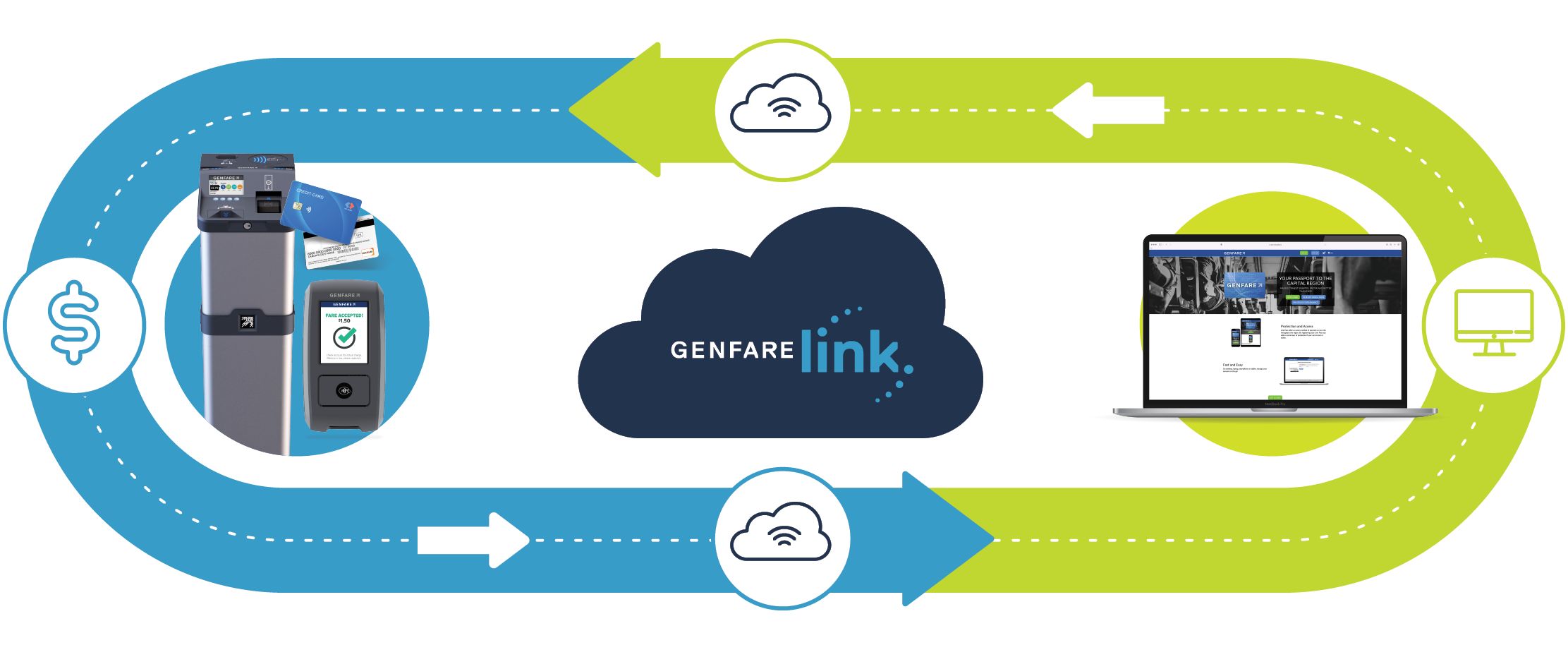
Efficient, cost-saving data collection, reporting, and analysis in public transit are now possible thanks to improvements in technology that support the Internet of Things (IoT). The IoT refers to the collective network of connected devices and the technology that makes communication between devices and the cloud — or between devices themselves — possible. With IoT-enabled capabilities, every aspect of a transit system and every user can be connected by compatible hardware and software. The ways the IoT can be used in transit are limitless.
The benefits of IoT in transit
Imagine the power of having every aspect of your transit system — and every user, from riders to maintenance staff to administrators – connected by compatible hardware and software. Some of the many benefits that IoT empowers in public transit include:
- More informed data-driven decision making such as route optimization and ridership outreach
- Prediction of outcomes for proactive service such as maintenance of hardware or vaulting scheduling
- Identification of new opportunities such as targeted fare structures for students or seniors or organizational partnerships with institutions and employers
- Distributed and controlled access to cloud-based data across users and devices
- Monitoring of infrastructure and asset tracking for safety, security, and efficiency
- Remote installation of software updates, fare structures, and security patches
- Future-proofing to embrace new technologies without disrupting the current systems
Real-time data exchange
The cornerstone of IoT is the real-time exchange of data. This typically involves three components.
Smart devices
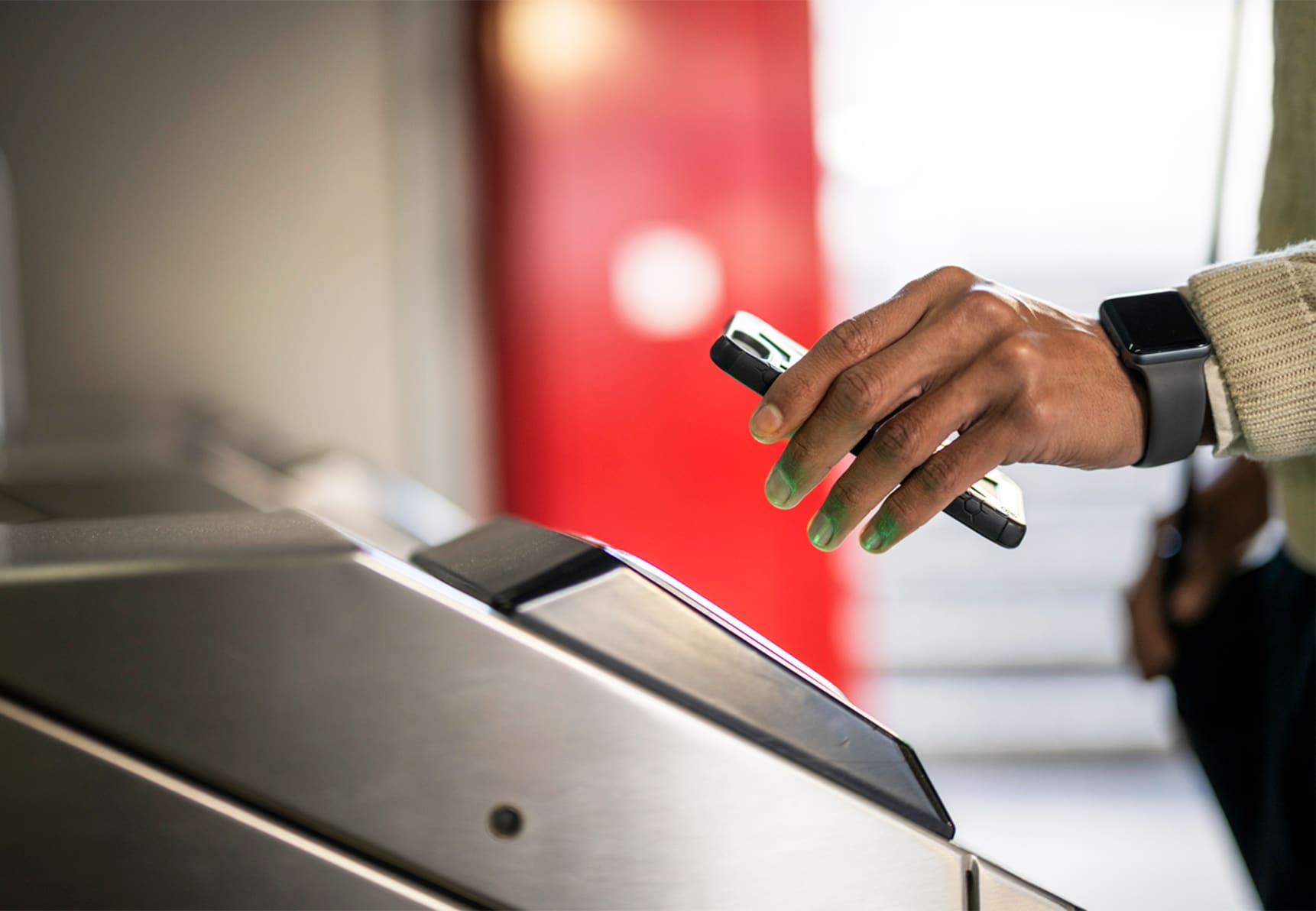
These devices have computing abilities and can collect data and communicate it over the internet to and from its IoT application. In the case of transit, smart hardware includes fareboxes, ticket vending machines, validators, and other devices.
Application
An IoT application is a collection of services and software that collects and uses data from the smart devices in its system. A transit agency’s fare collection software platform performs this function.
User interface
The graphical user interface is the part of the system that users interact with on a computer, tablet, or smartphone. This is typically a mobile application or a website.
Connect every aspect of your transit system using the Internet of Things.

Intra-agency interoperability
People have wanted to create interoperability in the South Florida transit system for many, many years. The SoFloGO app enabled us to take that concept and make it a reality. It was a true partnership between Genfare, Moovit, and the four agencies to make the app a reality, and it was done with lightning speed!


About APIs
Application Programming Interfaces (APIs) are key to breaking down technological barriers so agencies can easily link platforms to each other and to end users such as riders. An API is language in software that allows software and smart hardware to communicate within and across platforms. In essence, the role of the API is to provide a set of definitions and protocols that help the client (the application sending the request) and the server (the application responding to the request) talk to each other.
IoT capabilities are supported by APIs along with cloud-based computing services such as Amazon Web Services (AWS), on which Genfare Link is built. Together, APIs and the cloud are essential to aggregating, maintaining, and making sense of the mountains of data generated by transit systems.
Transit technology blog posts


Today’s world is run on information, and as an industry, we need to get on board with this. When it comes to using data to make decisions that impact operations, cost savings, or route analysis, agencies are still behind the times compared to other data-driven industries. The technology we need to shift to data-driven transit planning is readily available, and in many cases, data is already starting to be collected.