 As transit agencies look to modernize fare collection systems, one question continues to surface: What role should fareboxes play in a cloud-based future?
There is a growing narrative that modernization requires moving away from traditional fare collection infrastructure. On the surface, that idea can sound compelling. New technology often does.
However, in real-world transit operations, modernization is not about replacing what exists. It is about improving how the entire system works together. That starts by focusing on outcomes, not assumptions.
What is fare collection modernization?
Fare collection modernization focuses on how transit agencies manage payments, data, and operations across their entire system. It is not limited to introducing new payment types or replacing hardware. It is about creating a connected system that:
- Unifies fare data across devices and channels
- Supports multiple payment methods, including cash
- Improves operational efficiency and reporting
- Enables better decision-making across finance, IT, and operations
Modernization is about building a system that works reliably in the environments transit agencies operate in every day.
Do transit agencies still need fareboxes?
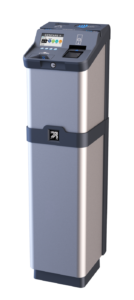 Yes. Fareboxes remain essential for equity, reliability, and onboard payment access.
A significant portion of riders still rely on cash. Systems that remove onboard payment options can create barriers to access, especially for unbanked and underbanked populations. Fareboxes also play a critical role in ensuring payment accountability. Speed matters, but so does validating transactions and protecting revenue. Additionally, in environments where connectivity is inconsistent, onboard systems must continue to function without interruption.
For these reasons, fareboxes are not a legacy constraint. They are a necessary part of a complete fare collection system.
How fareboxes have evolved
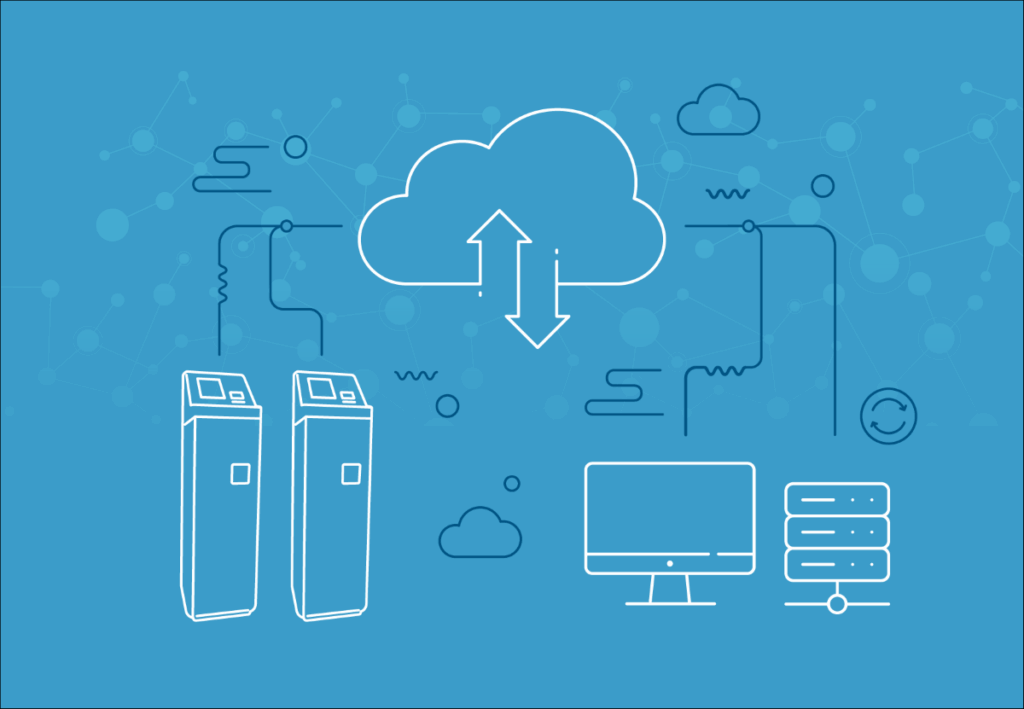
Fareboxes are often still described as standalone hardware devices. That description is outdated. Today, fareboxes function as connected components within a broader fare management platform. When integrated into a cloud-based fare collection system, fareboxes:
- Generate real-time or near real-time transaction data
- Provide visibility into rider behavior and system performance
- Serve as reliable access points across vehicles and routes
- Support multiple payment types, including cash and digital options
In this context, the farebox is no longer just collecting fares. It is contributing data and enabling system-wide intelligence.
The real requirements of modern fare collection systems
When transit leaders evaluate fare collection systems, the conversation needs to veer away from hardware alone and prioritize outcomes. The questions that matter are:
- Can I trust my revenue data across the system?
- Can I operate efficiently without manual workarounds?
- Can I support all riders without creating barriers?
- Can my system perform reliably in every environment?
These questions point to four critical requirements: data integrity, operational efficiency, equity, and reliability. Simplified narratives often reduce these requirements into tradeoffs such as digital versus cash or speed versus accountability. In practice, transit systems must support all of these variables at the same time.
Cash is not going away. Riders do not behave uniformly. Connectivity is not guaranteed. Systems must work in complex and unpredictable environments. Modernization must account for that reality.
Why connected fare systems matter
The real challenge in fare collection is fragmentation. When fare collection systems are disconnected, transit agencies are forced to manage the gaps between devices, data sources, and reporting systems. This creates operational burden and reduces visibility.
A connected, unified fare management platform changes that. When fareboxes, payment systems, and data are integrated into a single system, agencies can:
- Establish a single source of truth for revenue and operations
- Reduce manual reconciliation and reporting effort
- Improve visibility across vehicles, devices, and routes
- Maintain accountability while improving rider experience
- Support all payment types without introducing complexity
Connecting components is where modernization delivers real value.
A practical approach to modernization
Transit agencies operate under real constraints. Budgets are limited, systems are already in place, and disruption carries risk. That is why modernization must be practical and phased. A cloud-based fare management platform should enable agencies to:
- Integrate existing fare infrastructure into a unified system
- Introduce new capabilities without replacing what already works
- Reduce complexity over time rather than all at once
- Improve outcomes without creating operational disruption
This approach allows agencies to move forward with confidence while continuing to serve riders effectively.
The best path forward
The kind of progress agencies need comes from understanding how fare collection actually functions across vehicles, riders, and systems, and designing around that reality.
Genfare has been in this space for decades. We have seen how these systems evolve and we stay focused on what truly helps agencies move forward. What that looks like in practice is a more pragmatic path to modernization.
One that allows agencies to bring systems together over time, instead of forcing a complete overhaul. One that builds toward a unified platform without introducing unnecessary risk or disruption. And one that respects the investments agencies have already made, rather than requiring them to start from scratch.
Real progress does not come from replacing everything at once. It comes from connecting what already works and moving forward from there.