

Small agency, big upgrade
As part of a big modernization push, Mid Mon Valley Transit Authority embarked on a major overhaul of its previously cash-only fare collection system to give riders more fare payment options including open payment, fare capping, and mobile ticketing.
The agency also wanted the ability to gather and analyze more comprehensive data to quickly react to changes in rider behavior and make impactful decisions more effectively. MMVTA uses a specific reporting platform mandated by the Pennsylvania Department of Transportation (PennDOT) in connection with its statewide fixed-route intelligent transportation system, so data produced by the new fareboxes had to flow to the third-party platform.
To meet these goals and requirements, MMVTA chose Genfare as its fare collection partner. It cited Genfare’s ability to adapt technologies to agencies of all sizes and needs, as well as its experience in integrating its systems with third-party technologies.
Looking for more details?
View and download the full Mid Mon Valley Transit Authority (MMVTA) case study here.

Overview
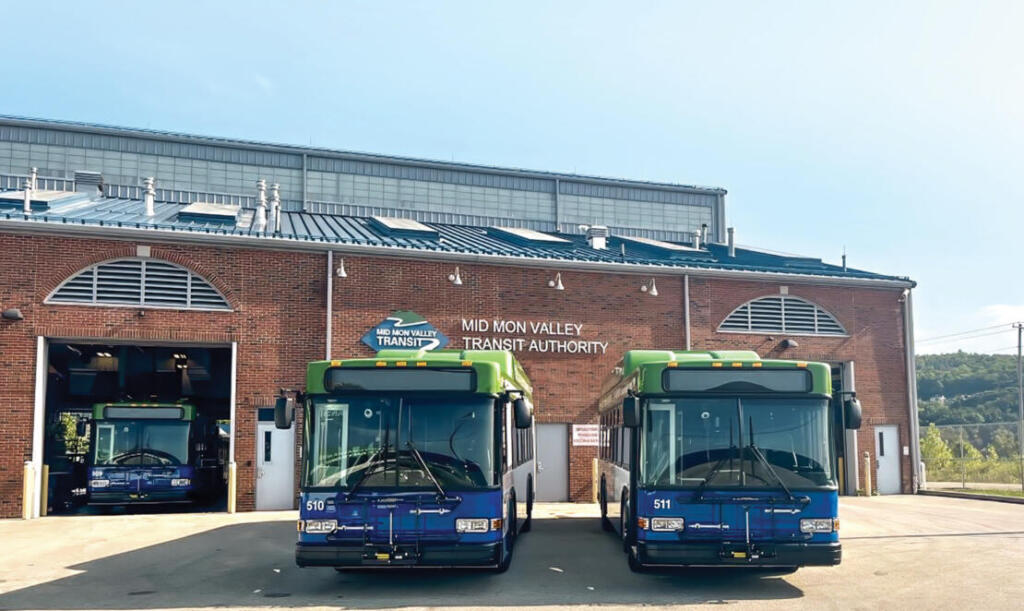
The Mid Mon Valley Transit Authority (MMVTA) is a lifeline for residents of 21 municipalities across southwestern Pennsylvania. Established in 1985 to fuel the revitalization of the historic steel-making region, the agency serves the counties of Washington, Westmoreland, and Fayette, about 20 miles south of Pittsburgh. The Monongahela River runs through the area’s main economic and recreational corridor.
MMVTA provides about 200,000 passenger trips a year, connecting these river-town communities to each other and to downtown Pittsburgh. Ten fixed routes include a shuttle route for PennWest University. The agency has steadily reclaimed overall ridership since the pandemic, with the number of local rides higher than the number of commuter rides to the city.
New fare options, better data
MMVTA recently made a big push to modernize, improving the rider experience with real-time bus tracking, arrival predictions, and service alerts via digital signage, a browser-based web tracker, and texts. In 2025 it embarked on a major overhaul of its fare collection system to give riders more fare payment options in addition to cash, coin, and paper passes.
“Our goal was to update the rider experience while making fare payment more flexible. Riders expect the same convenience they get in retail—tap, scan, and go—and we wanted to bring that level of simplicity to our system,” says Ashley Seman, executive director, MMVTA.
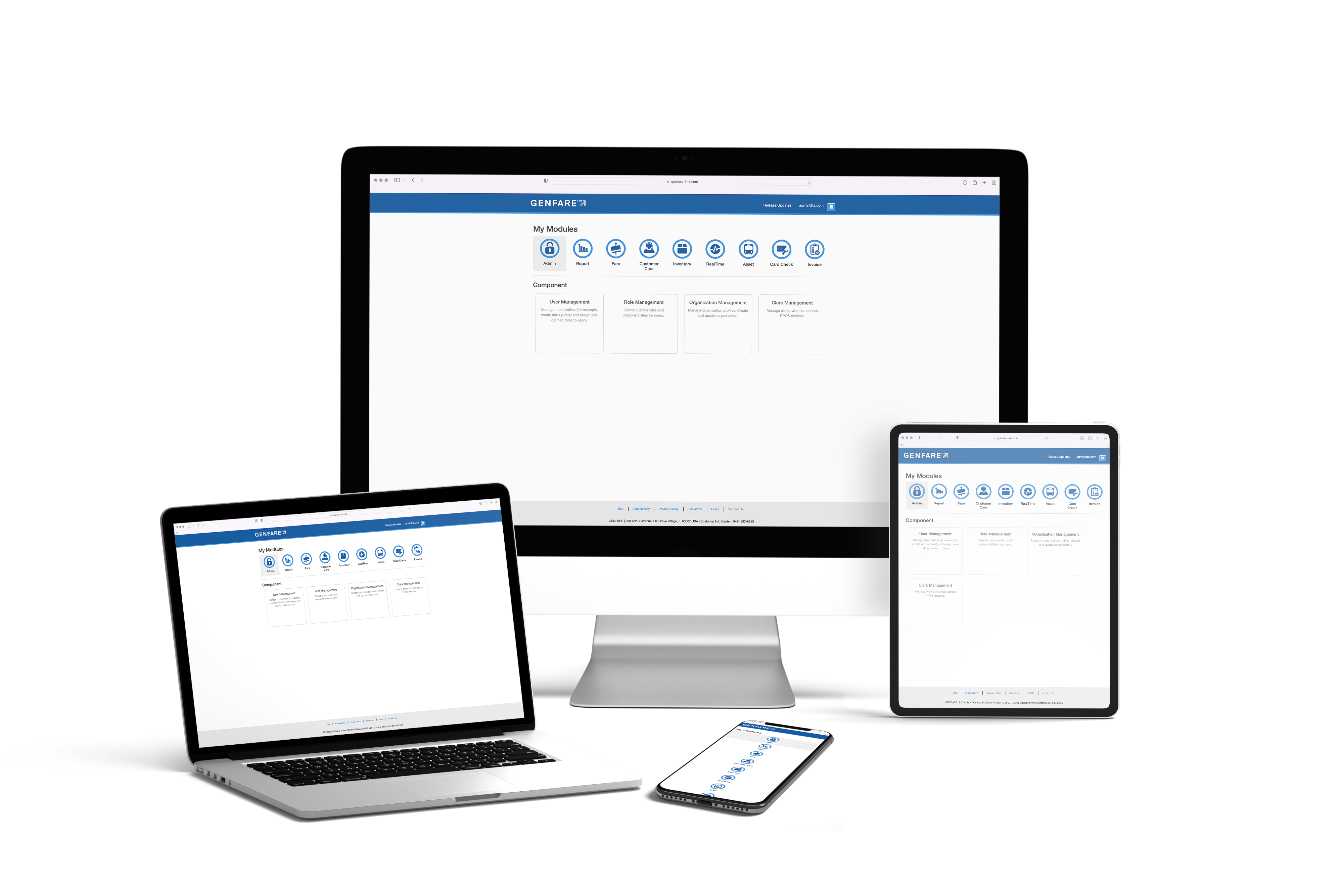
The agency also wanted the ability to gather and analyze more comprehensive data, such as fare payment and ridership trends, to quickly react to changes in rider behavior and make impactful decisions more effectively. It was also important that the new fareboxes and software worked seamlessly with MMVTA’s existing computer-aided dispatch/automatic vehicle location (CAD/AVL) and reporting platforms.


Solution
The MMVTA team worked closely with Ed Brandis, Genfare’s business development director-Northeast, to create a system that would modernize fare payment options, allow more informed, data-driven decisions, and improve operational efficiency while supporting a smaller-agency scope.
“This is not an insignificant investment to make, and it’s not an insignificant technology upgrade as a small agency,” Ed says. “But in many respects, MMVTA doesn’t behave like a small agency. They punch above their weight class.”
With Genfare’s support, MMVTA made an “electronic first” choice, retaining cash and coin acceptance for riders who rely on this option while encouraging all other riders to use the following new options:

We weren’t expecting to go cashless; so many of our riders use cash and coin—including pennies. This upgrade allowed us to have a farebox or a system that accommodates all forms of payment in a single piece of equipment.”
Products
Project implementation and process
MMVTA aimed to offer all new fare payment options in the simplest form possible—and with the least equipment possible, Ashley notes. As soon as the MMVTA-Genfare contract was signed, Genfare project manager Jeffrey Hanft came on board to support and advocate for MMVTA—staying in steady communication all the way through the system’s go-live date.
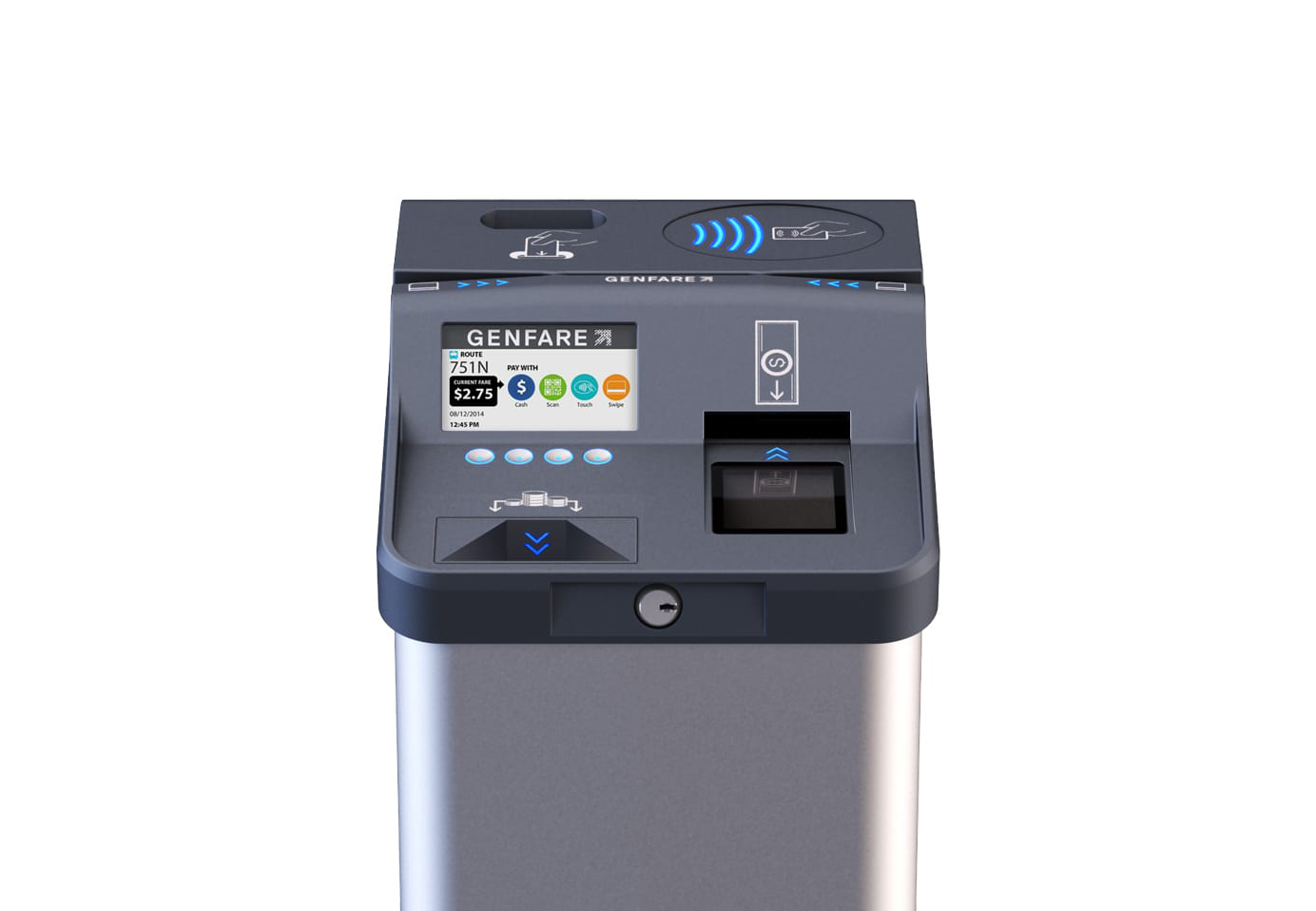
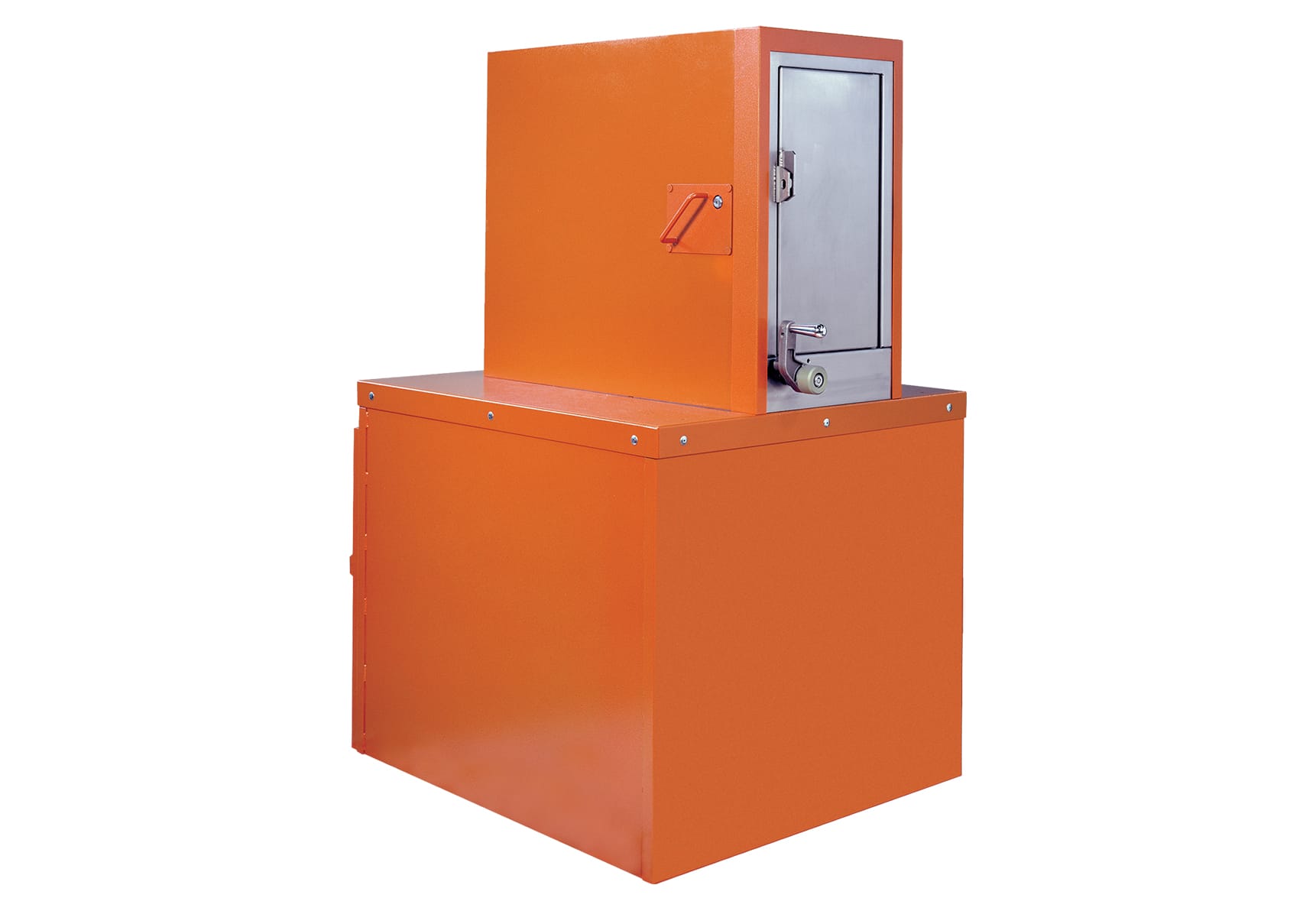
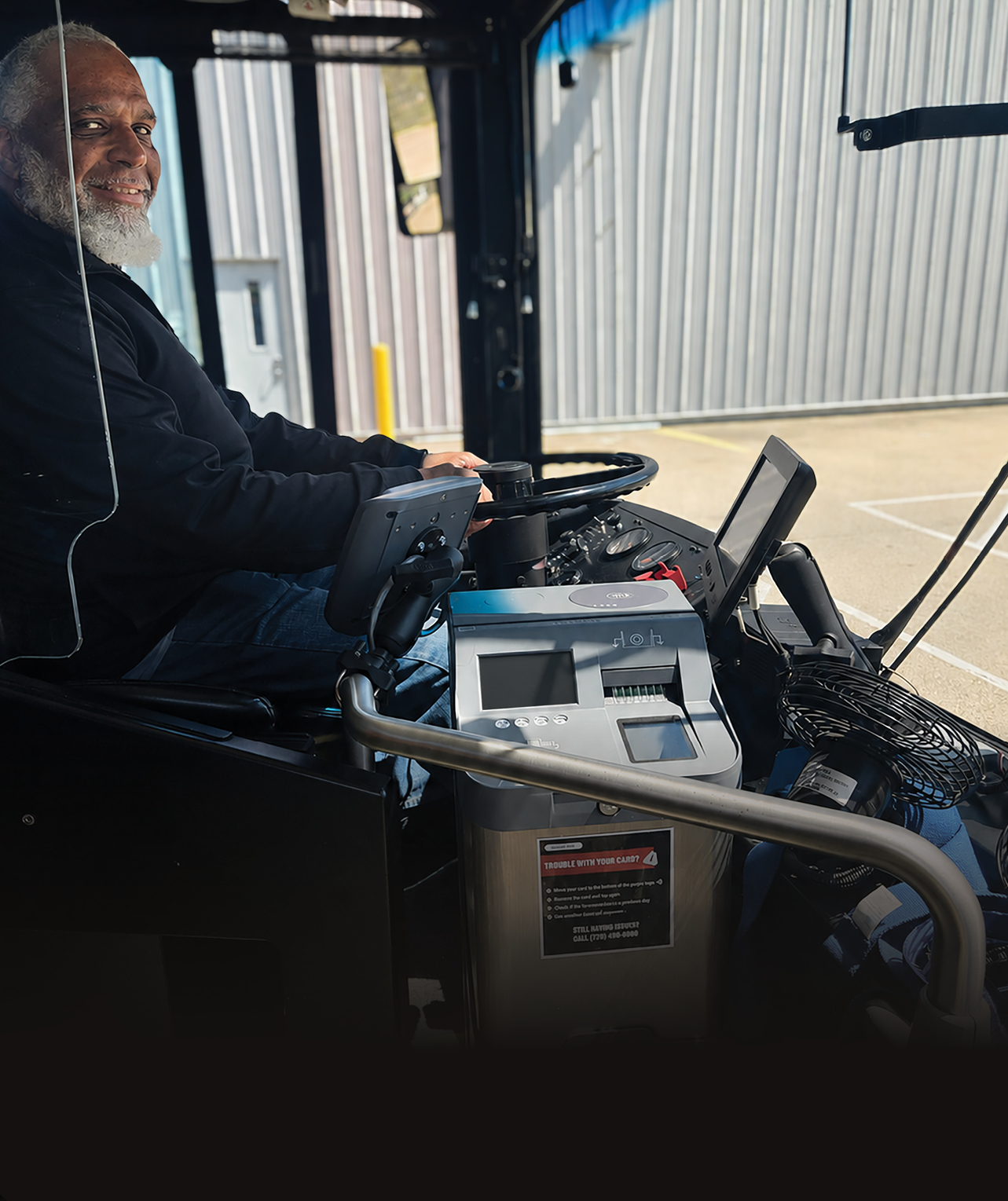
Working with the Genfare team, the agency had modern Fast Fare® fareboxes installed across its entire fixed-route fleet in August 2025. A new DualPort stationary vault, with a larger capacity than its old vault, was installed in the bus depot.
Relationship goals
“Genfare worked closely with our team throughout the process,” Ashley says. “For a smaller agency like MMVTA, it was important that the system could scale to our needs while still offering modern capabilities.”
Genfare aims to make the lift lighter with a partnership built on trust, so sophisticated tech upgrades aren’t burdensome, Ed adds. “Small agencies should know that the upgrade process itself can be an enjoyable endeavor.”
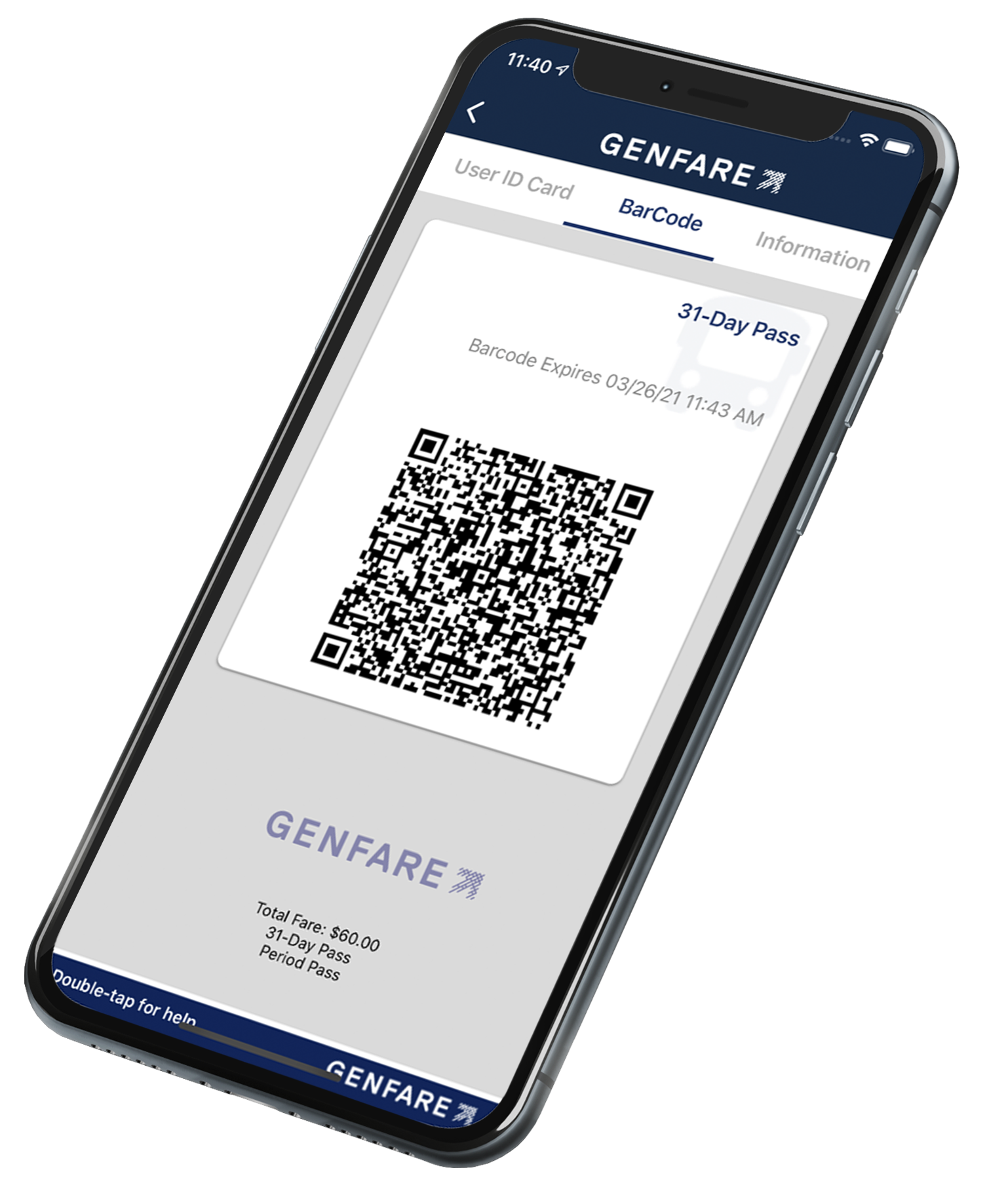
MMVTA also launched two white-labeled stand-alone mobile apps with deep links connecting them for a seamless rider experience. Together, TraXster and TraXster Pay appear to be a single, unified platform combining the features riders want.
Challenges
For a successful upgrade, Genfare would need to integrate its fare collection system with MMVTA’s existing CAD/AVL system. Avail Technologies, the CAD/AVL vendor, also contributes a state-mandated reporting database for many fixed-route transit agencies across Pennsylvania, including MMVTA.
Genfare and Avail have partnered on several projects using Genfare’s internet of things-enabled hardware and open-architected software, so the two companies were up to the task.
Flexible problem-solving around a new network
As a non-operating authority, MMVTA contracts with a service provider to manage operations. Its operating provider had assembled its own internet network using multiple network set-ups for different functions. To transition to a connected, data-enabled platform, MMVTA needed a single garage data system to support cellular connectivity for its modernized fare collection system.
“This was a huge project to take on as a small agency,” Ashley says. “Genfare adapted to our needs, and they were able to answer all the questions and really get us where we needed to be to implement it.”
Full support
Regular weekly meetings with all stakeholders kept all aspects of the project on track, from the new network to third-party collaboration to the new fare payment options.
“That constant communication between us and Genfare is certainly helpful with the operation side and the implementation side,” Ashley says. “Genfare helped us to adapt and broke things down for how to manage [the new] backend system. Communication was definitely key for us.”
Results
“This project demonstrates how Genfare solutions are suitable for any agency of any size,” says Genfare’s Ed Brandis. A carefully curated investment can help small agencies move the needle on growth and customer satisfaction while staying within their budget and scope, he explains.
“One of the things we’re proud of is bringing technology that’s typically seen in larger transit systems to a smaller regional agency like ours,” Ashley says. “This upgrade positions MMVTA for the future. It allows us to continue improving the rider experience while giving us the tools to adapt as technology and rider expectations evolve.”
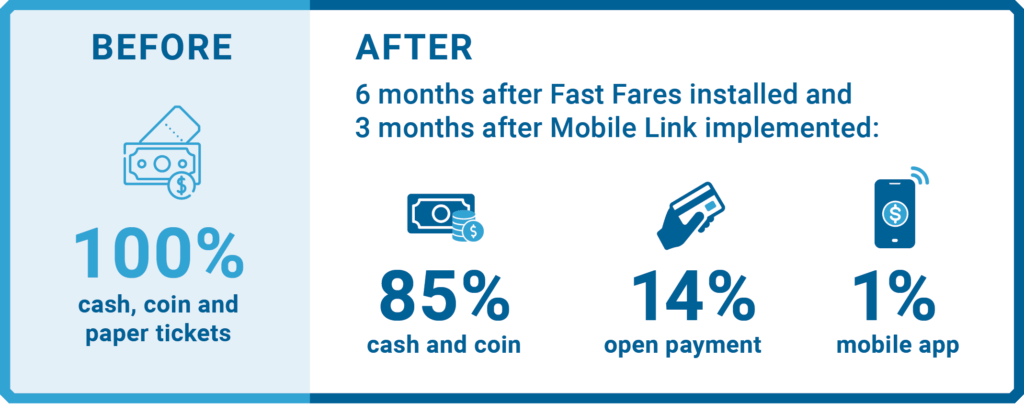
Although the system had only been in place for six months, MMVTA was already seeing strong results.

This project demonstrates how Genfare solutions are suitable for any agency of any size. This is not an insignificant investment to make, and it's not an insignificant technology upgrade as a small agency. But in many respects, MMVTA doesn’t behave like a small agency. They punch above their weight class.”

Genfare makes modernization work
We understand the funding and timing constraints transit agencies face. Whether you need a rapid, full-solution fare collection implementation or a phased approach spread out over multiple years, Genfare can make it happen.
Contact your Business Development Director to learn more about how Genfare can support your transit agency’s needs within your budget and timeframe.